How to Serve Champagne: Temperature, Glasses and Pouring Tips
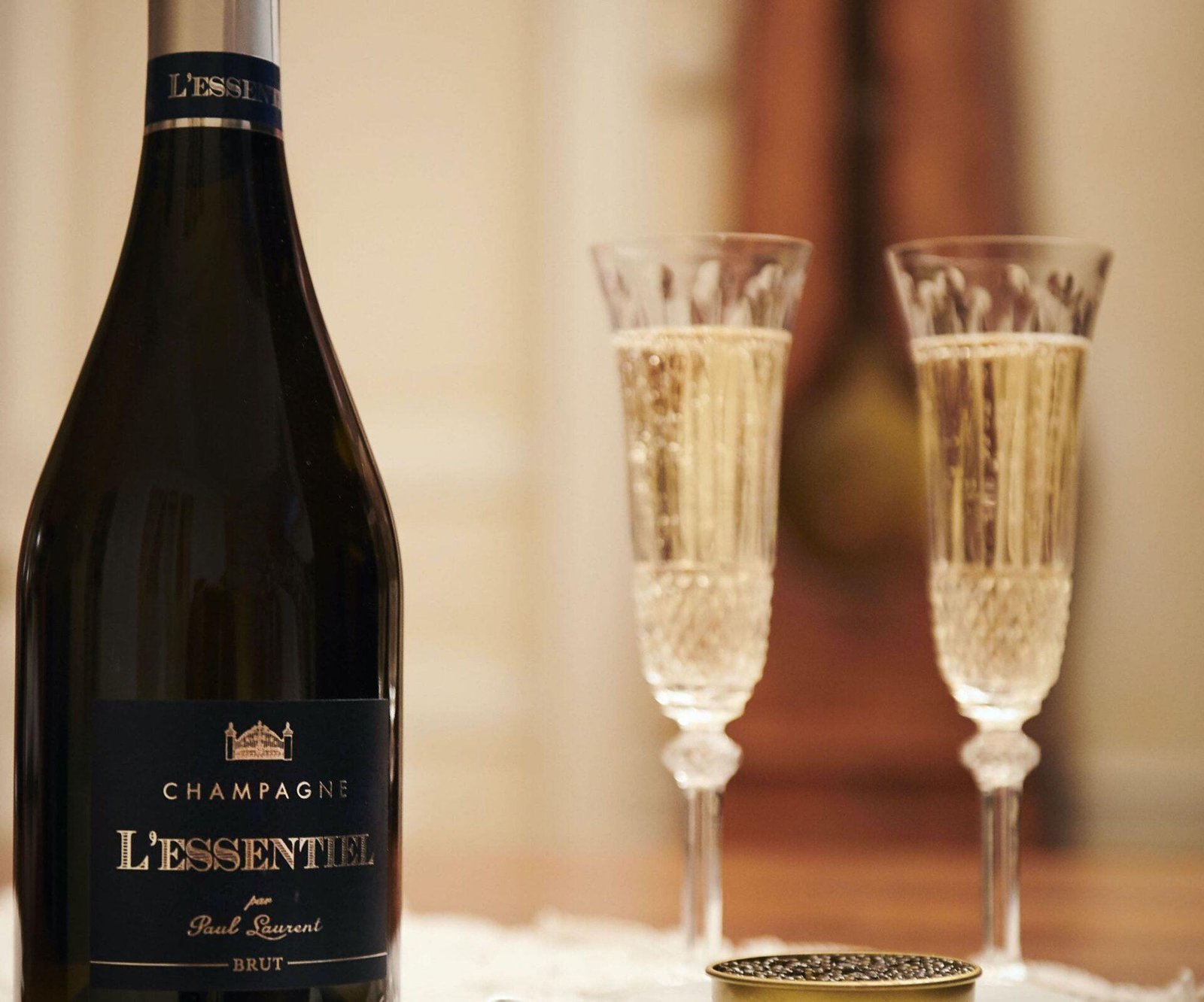
A good champagne deserves a little attention when it reaches the table. The right temperature, a suitable glass and a careful pour make a real difference to the aromas, the texture of the bubbles and the pleasure of every sip. Here is a practical, step-by-step guide to serving champagne well, whether you are opening a single bottle for two or pouring for a celebration.
1. Get the temperature right
Temperature is the single most important factor. Champagne served too warm feels heavy and the alcohol stands out; served too cold, its aromas are muted and the wine feels thin.
- Young, fresh champagnes (Brut, Blanc de Blancs, Brut Nature): 7 to 9 °C.
- Rosé champagne: 8 to 10 °C.
- Older, more complex or vintage champagnes: 10 to 12 °C, so their aromas can open up.
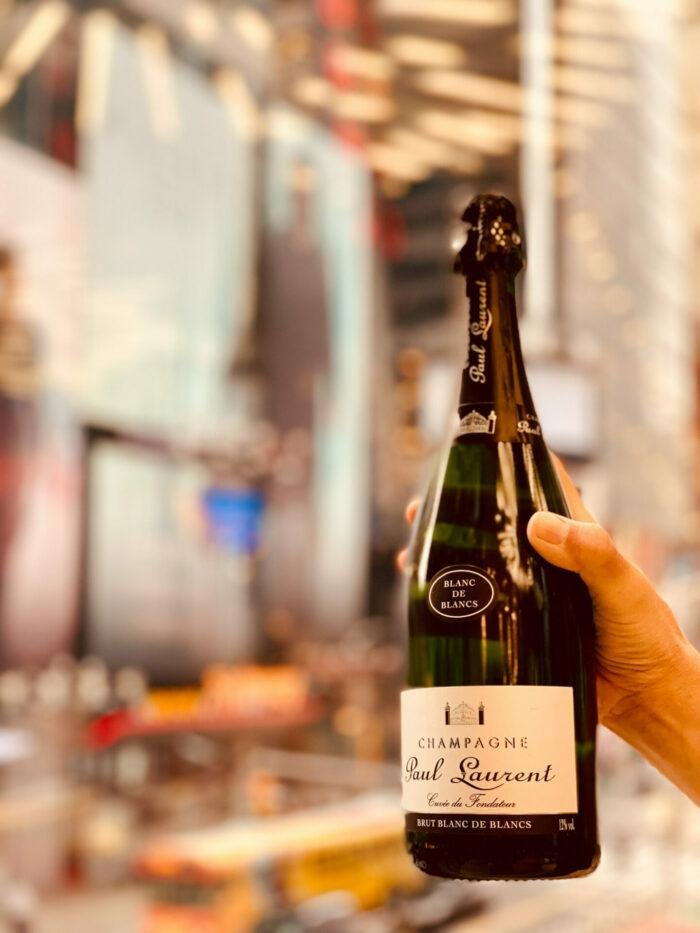
As a reference, we recommend serving our Cuvée du Fondateur Brut at around 8 °C. Remember that the wine warms up in the glass, so it is better to start slightly too cold than too warm.
How to chill a bottle
- Ice bucket (the best method): fill a bucket with half ice and half cold water and immerse the bottle up to the neck. Allow 15 to 20 minutes. The water ensures even contact with the glass.
- Refrigerator: about three hours on a shelf, lying down if possible. Avoid keeping champagne in the fridge for weeks; the cold, dry and vibrating environment is not ideal for long storage.
- Freezer: not recommended. It is easy to forget a bottle, and extreme cold can damage the wine or even break the bottle.
2. Choose the right glass
The glass shapes both the bubbles and the aromas you perceive.
- The coupe, the wide and shallow glass of vintage films, is elegant but lets the bubbles and the aromas escape quickly.
- The narrow flute preserves the bubbles and looks festive, but its tight opening limits the aromas.
- The tulip glass, wider in the middle and narrowing at the top, is the best compromise. It keeps the mousse lively while giving the wine room to express itself. A good white-wine glass works well too, especially for more complex champagnes.
Whatever the shape, use clean glasses that have been rinsed and dried without detergent residue, which can flatten the bubbles. Hold the glass by its stem so your hand does not warm the wine.
3. Open the bottle calmly
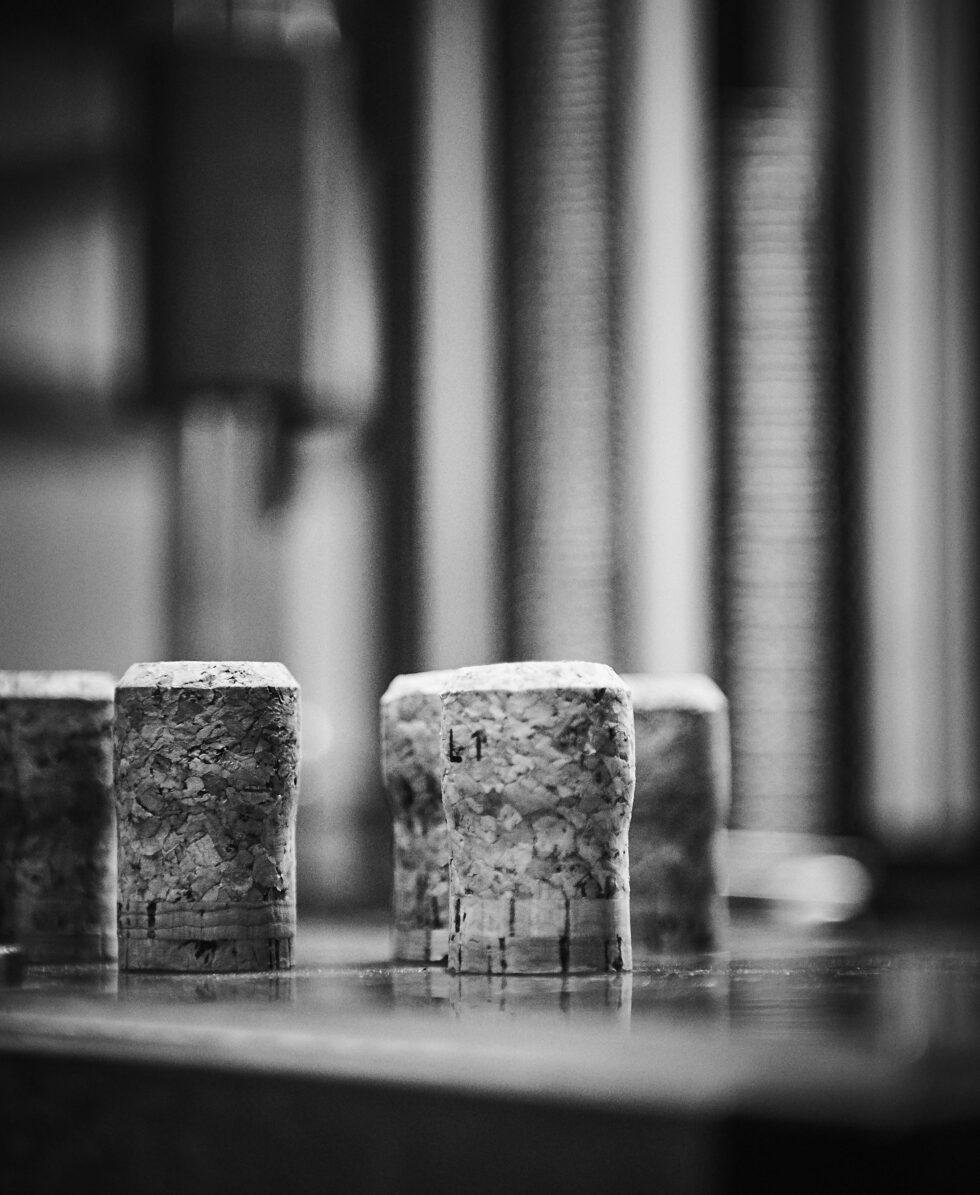
A loud pop may be festive, but it wastes wine and pressure. The ideal opening makes only a gentle sigh. Hold the bottle at an angle, keep your thumb on the cork, loosen the cage and turn the bottle rather than the cork. We explain each step, and the safety rules that go with it, in our guide on how to open a bottle of champagne safely.
4. Pour in two stages
Champagne foams quickly when it meets a dry glass. To avoid overflowing and to keep the bubbles fine:
- Tilt the glass slightly and pour a small amount along the inside wall.
- Wait a few seconds for the foam to settle.
- Complete the pour, filling the glass to about two-thirds. This leaves space for the aromas to gather.
A standard 75 cl bottle serves about six glasses of 12.5 cl. If you are planning a party, our guide to champagne bottle sizes will help you calculate how many bottles you need.
5. Keep the bottle cool between pours
Once opened, put the bottle back into the ice bucket. Wrap a napkin around it when you serve, to catch drips and to stop your hand from warming the glass. If you are serving several cuvées, start with the lightest and driest and move towards the richer, rosé or sweeter wines.
6. Match the serving to the moment
As an aperitif
A fresh Brut or a Blanc de Blancs is perfect at the start of a meal. Serve it slightly cooler and pair it with simple bites: salted almonds, gougères, crisps or a few oysters.
With a meal
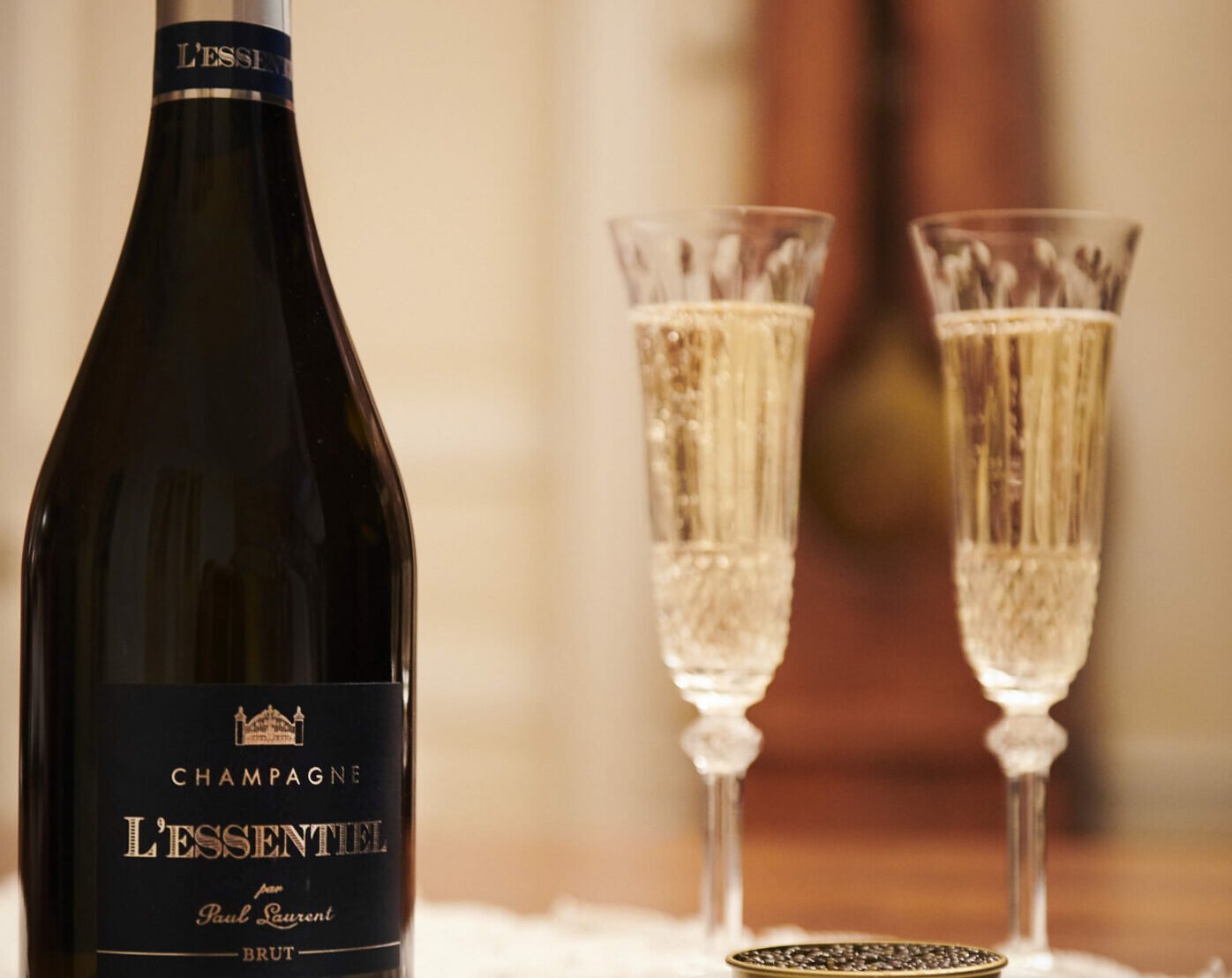
Champagne can accompany an entire menu. Fuller cuvées such as our Cuvée L’Essentiel, aged three years, can be served a degree or two warmer and in a larger glass. For dish-by-dish ideas, see our champagne food pairing guide.
With dessert
Choose a rosé with fruit-based desserts or a sweeter Demi-Sec with richer pastries. A dry champagne with a very sweet dessert will taste sharp.
Common mistakes to avoid
- Serving champagne straight from a warm room or, at the other extreme, after hours in the freezer.
- Shaking the bottle or opening it with a loud pop.
- Filling glasses to the brim, which leaves no room for aromas.
- Using glasses with soap residue, which kills the bubbles.
- Leaving the open bottle on the table instead of in the ice bucket.
What if there is champagne left?
An opened bottle keeps its sparkle for a day or two in the refrigerator if it is sealed with a hermetic champagne stopper. The popular trick of putting a teaspoon in the neck does not really work; a proper stopper is the best solution. Leftover champagne is also delicious in cooking, for example in a risotto or a beurre blanc.
Frequently asked questions
Should champagne be served in a flute or a wine glass?
Both work, but a tulip-shaped glass or a white-wine glass gives the aromas more room than a narrow flute, especially for complex or aged champagnes.
Can I add ice to champagne?
Ice dilutes the wine and softens the bubbles. It is better to chill the bottle properly in an ice bucket.
How long can champagne stay in an ice bucket?
As long as needed during service. Simply top up the ice so the water stays cold.
Ready to pour? Discover the seven cuvées of Champagne Paul Laurent, from Blanc de Blancs to Brut Rosé, on our Our Champagnes page.
Conclusion
Serving champagne well is simple: chill it to the right temperature, choose a glass that lets it breathe, open it gently and pour in two stages. These small gestures preserve the bubbles and reveal everything the cellar master put into the bottle. Santé, and please drink responsibly.
Related articles
How to Open a Bottle of Champagne Safely and Elegantly
Open champagne the right way: chill the bottle, remove the foil and cage, twist the bottle, not the cork, and release it with a quiet sigh. Plus safety tips.
How to Store Champagne at Home and How Long It Keeps
Should champagne be stored lying down or standing up? Ideal temperature, light and humidity, how long unopened and opened champagne keeps, and common mistakes.
Champagne Food Pairing: Which Cuvée Goes With Which Dish?
Which food goes with champagne? Pairing ideas for Brut, Blanc de Blancs, rosé, Brut Nature and aged champagnes, from aperitif and seafood to cheese and dessert.