How to Store Champagne at Home and How Long It Keeps
Champagne leaves the cellar ready to drink, but how you keep it at home can make the difference between a bottle that sparkles with freshness and one that has lost its charm. You do not need a professional cellar: a few simple rules on temperature, light, position and time are enough. Here is how to store champagne properly, before and after opening.
The five golden rules of champagne storage
1. A cool, stable temperature
The ideal storage temperature is between 10 and 14 °C. Even more important than the exact figure is stability: frequent swings between warm and cold make the wine expand and contract, which can push air through the cork and accelerate ageing. Avoid kitchens, places near radiators and rooms that heat up in summer.
2. Darkness
Light, especially sunlight and fluorescent light, can damage champagne and create unpleasant “light-struck” aromas. Clear and pale bottles, like many rosés, are particularly sensitive. Keep bottles in their box or in a dark cupboard.
3. Moderate humidity
A relative humidity of around 70% helps keep corks from drying out. In very dry places, the cork can shrink over time and let air in.
4. Calm
Vibrations and frequent movement disturb the wine. Store bottles where they will not be moved constantly, away from washing machines or heavy traffic.
5. The right position
For long-term storage, lay bottles on their side so the cork stays in contact with the wine and remains moist. For a few weeks, standing upright is perfectly fine; the pressure and humidity inside the bottle keep the cork in good condition in the short term.
Storing champagne without a cellar
Few homes have a real underground cellar, and that is fine. A cupboard in a bedroom or hallway on a north-facing wall, the bottom of a wardrobe or a cool corner of a garage that does not freeze in winter or overheat in summer can all work for a few months. Keep the bottles in their cardboard boxes, which protect them from light, and lay them on their side. For larger collections or longer storage, a small wine cabinet with a stable temperature is a good investment.
Should you keep champagne in the fridge?
The refrigerator is perfect for chilling a bottle a few hours before serving, but not for long-term storage. It is too cold and too dry, the light switches on each time the door opens and the motor creates vibrations. Over several weeks, the cork can dry and the wine can lose its freshness. Keep champagne in a cool, dark place and move it to the fridge or an ice bucket shortly before serving. Our guide on how to serve champagne explains how long to chill it.
How long does unopened champagne keep?
Champagne is released when the producer considers it ready to drink. How long it will keep after that depends on its style:
- Non-vintage champagne: most are at their best within about two to four years of purchase, while their freshness and fruit are vivid. They can last longer, developing more toasty and honeyed notes, but they will not necessarily improve.
- Vintage and long-aged cuvées: champagnes made for ageing, often from great years or with long time on the lees, can develop beautifully for many years in good conditions.
- Rosé: usually best enjoyed young, for its bright red fruit.
Learn more about these categories in non-vintage vs vintage champagne.
Keep in mind that ageing in your cellar is different from ageing on the lees at the producer’s. Before disgorging, the lees protect the wine and slowly add complexity: our Cuvée Génération Brut Nature, for instance, rests a minimum of seven years on its lees before release. After disgorging, the wine evolves more quickly.
Does the bottle size matter?
Yes. Champagne ages more slowly in a magnum (1.5 L) than in a standard 75 cl bottle, because the volume of wine is larger relative to the small amount of air in the neck. Half bottles (37.5 cl) evolve faster and are best opened young. See champagne bottle sizes explained for more.
How long does opened champagne keep?
Once opened, champagne gradually loses its bubbles. To keep it:
- Close the bottle with a hermetic champagne stopper designed to withstand the pressure.
- Put it straight back in the refrigerator, standing upright.
- Drink it within one to two days, when the bubbles will still be lively.
The famous silver teaspoon in the neck of the bottle has no proven effect. A good stopper and cold temperature are what really help. If the champagne has gone flat, it can still be used in cooking, for example in a sauce for fish or a risotto.
Signs that a champagne is past its best
- Very few or no bubbles when the bottle is opened.
- A deep golden or brownish colour in a wine that should be pale.
- Aromas of oxidation, such as stale nuts or bruised apple, dominating the fruit.
- A musty, damp-cardboard smell, which indicates a cork fault rather than age.
Common storage mistakes
- Leaving bottles in a hot car or near a window in summer.
- Displaying champagne on top of a kitchen cabinet, where it is warm and bright.
- Keeping bottles in the fridge door for months.
- Putting a bottle in the freezer “just for a few minutes” and forgetting it.
- Storing champagne too long in the hope that every bottle will improve.
Frequently asked questions
Can champagne go bad?
Unopened champagne does not become unsafe, but it can lose its freshness and bubbles over time, especially in poor storage conditions.
Is a wine fridge good for champagne?
Yes. A wine cabinet set to a stable 10 to 12 °C, with low vibration and no light, is an excellent solution for storing champagne at home.
Should I store champagne upright or on its side?
On its side for long-term storage; upright is fine for a few weeks.
Stock up for the season. Discover our champagnes, available in several formats, and contact us for orders.
Conclusion
Store champagne somewhere cool, dark, calm and stable, lay bottles down if you keep them for more than a few weeks and chill them only shortly before serving. Enjoy non-vintage cuvées while they are fresh, keep longer-aged wines for special occasions and your champagne will always be at its best when you open it. Please drink responsibly.
Related articles
Non-Vintage vs Vintage Champagne: What Is the Difference?
What does non-vintage (NV) mean on a champagne label and how is vintage champagne different? Ageing rules, reserve wines, style and when to drink each.
How to Serve Champagne: Temperature, Glasses and Pouring Tips
The ideal champagne serving temperature, how long to chill a bottle, which glass to use and how to pour without losing the bubbles. A practical guide.
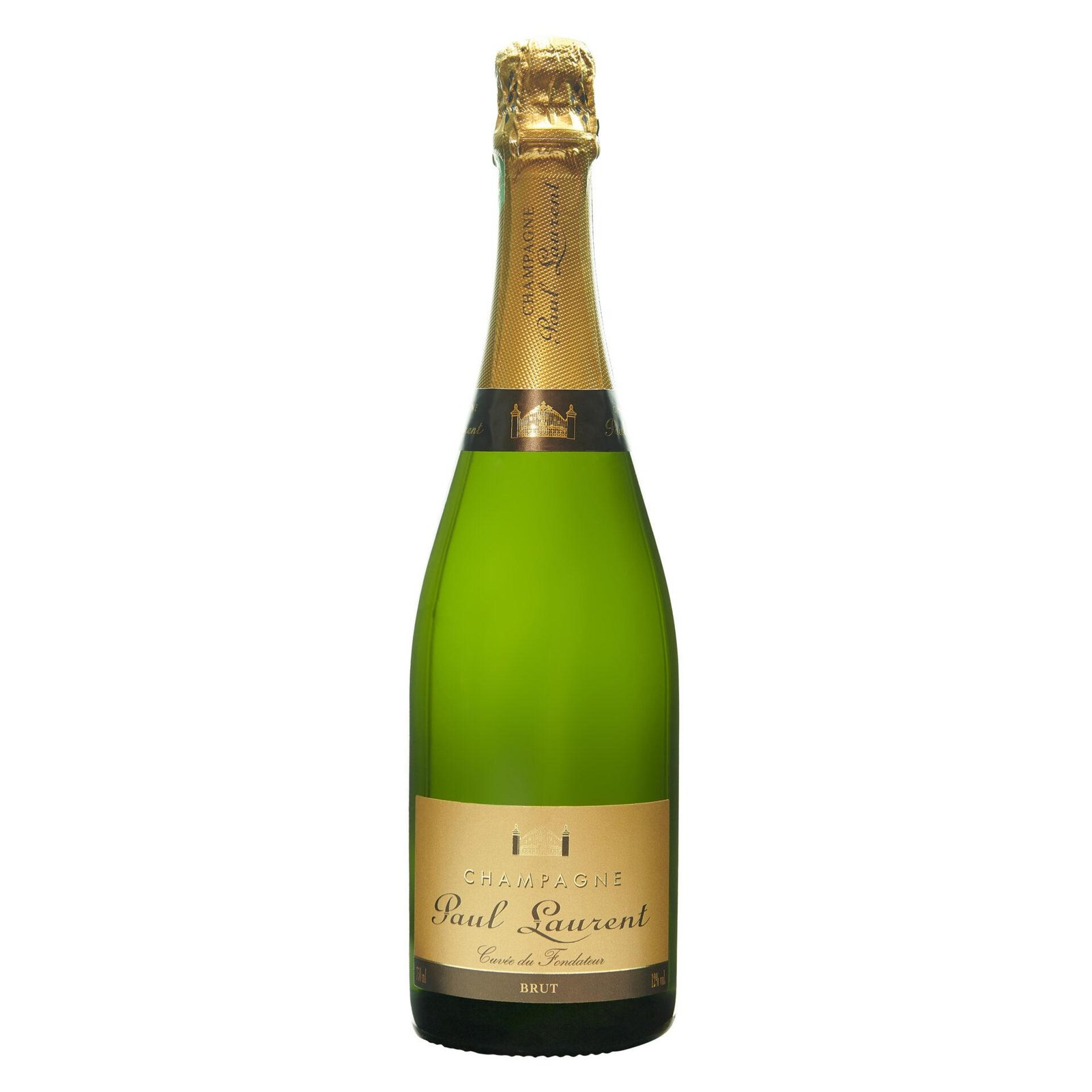
Champagne Bottle Sizes Explained: Half Bottle, Magnum and Beyond
From the 37.5 cl half bottle to the 1.5 L magnum and the Jeroboam: champagne bottle sizes, their names, how many glasses each serves and how to choose.