The Côte de Sézanne: Discovering Champagne’s Southern Terroir
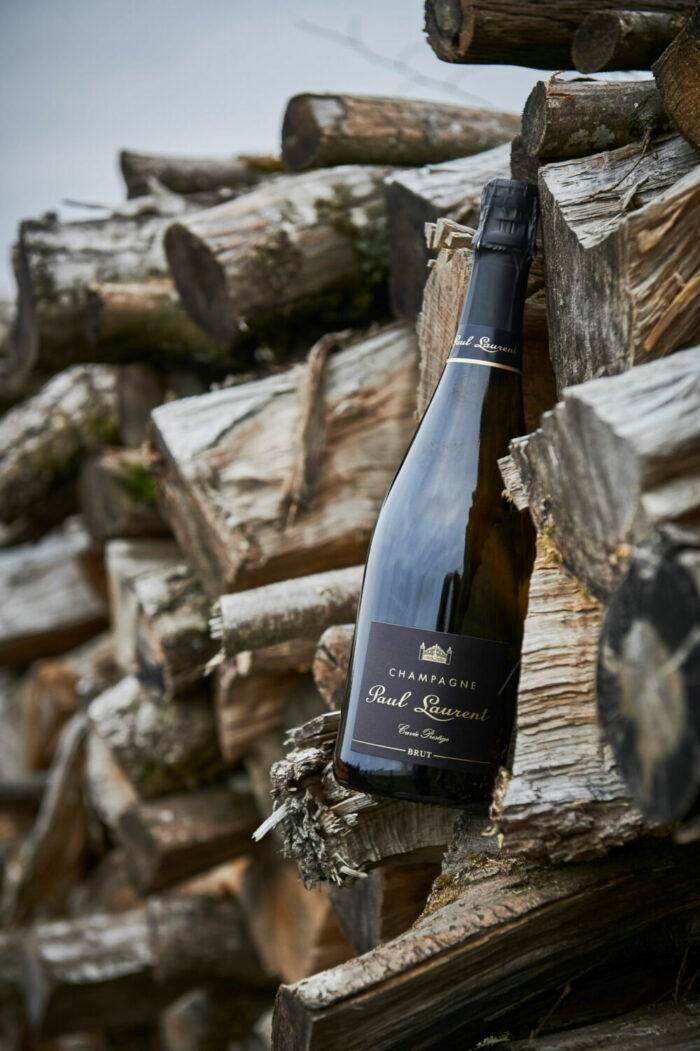
When people think of Champagne, they often picture the Montagne de Reims, the Vallée de la Marne or the famous Chardonnay villages of the Côte des Blancs. Further south lies a quieter, greener part of the appellation: the Côte de Sézanne. This is where Champagne Paul Laurent was founded in 1952, in the village of Bethon. Here is an introduction to this distinctive terroir and the wines it produces.
Where is the Côte de Sézanne?
The Côte de Sézanne lies in the south-west of the Marne department, around the small town of Sézanne. It extends south from the Côte des Blancs and is often described as its natural continuation. Our village, Bethon, sits about fifteen kilometres from Sézanne, at the southern edge of the Marne, close to the borders of the Aube and Seine-et-Marne departments. Épernay, the capital of Champagne, lies to the north.
The landscape is one of rolling hillsides covered with vines, interrupted by woods and deep forests, small rivers and stone villages. The region reveals, through its landscapes, the history and daily life of generations of winegrowers.
The Champagne appellation in brief
The Champagne appellation covers vineyards spread across several departments, mainly the Marne and the Aube, with smaller areas in the Aisne, Haute-Marne and Seine-et-Marne. It is usually described in a few main areas: the Montagne de Reims, the Vallée de la Marne, the Côte des Blancs, the Côte de Sézanne and the Côte des Bar in the Aube. Each has its own soils, exposure and grape mix, which is why champagnes from different areas can taste so different, even when they are made in exactly the same way.
The soils: chalk, clay and flint
Terroir is the combination of soil, subsoil, slope, exposure and climate that gives wines their character. In the Côte de Sézanne:
- Chalk lies beneath much of the area, as elsewhere in Champagne. It drains well while retaining enough water for the vines in dry periods, and it is associated with freshness and minerality in the wines.
- Clay and marl are more present in the topsoil than in the Côte des Blancs. These heavier soils tend to give rounder, more generous wines.
- Flint (silex) and sand appear in some plots. Stones can absorb heat during the day and release it at night.
Our own vineyards are known for their chalky terroir, which gives our Cuvée Blanc de Blancs its mineral and creamy notes.
Exposure and climate
Many slopes of the Côte de Sézanne face east and south-east, catching the morning sun. Combined with its more southerly position, this helps the grapes reach good ripeness. Like the rest of Champagne, however, the area keeps a cool continental climate with oceanic influences, which preserves the acidity essential for sparkling wine.
A land of Chardonnay
Chardonnay is the leading grape in the Côte de Sézanne, as in the Côte des Blancs further north. Here it often shows riper fruit, more generosity and a softer, rounder texture, while keeping its fine acidity. Pinot Noir and Pinot Meunier are also grown and bring structure, red-fruit aromas and suppleness to blends. To learn more about each variety, read the grapes of Champagne.
What do Côte de Sézanne champagnes taste like?
Generalisations are always approximate, because each producer’s choices matter as much as the place. Still, champagnes from the Côte de Sézanne are often described as:
- Fruity and expressive, with ripe citrus, white peach and pear.
- Round and approachable, thanks to riper grapes and clay-rich soils.
- Fresh and mineral on chalkier plots.
Across our range, you can taste this balance in different ways: the pure Chardonnay of our Blanc de Blancs, the floral freshness of Cuvée Prestige Brut (70% Chardonnay), or the Pinot Noir-led generosity of Cuvée du Fondateur Brut.
A family story rooted in Bethon
Champagne Paul Laurent was established in 1952 in Bethon by Gilbert Gruet and his wife Danielle. From a small plot of vines, they built a family house with the intention of sharing their passion with others. Today the third generation of the Gruet family carries on that dream, crafting cuvées eco-responsibly and sustainably. Our Cuvée Génération Brut Nature was created as a collaboration of this third generation. You can read the full story on our Our House page, and in French in our history of a family house.
Visiting the area
The Côte de Sézanne is less visited than the great Champagne towns, which is part of its charm. Visitors can enjoy:
- Sézanne, a small historic town with a large Gothic church and pleasant streets to explore.
- Walks and cycling routes through vineyards, woods and quiet villages.
- The route north to Épernay, the Avenue de Champagne and the vineyards of the Côte des Blancs.
- Local food, including cheeses from the wider Champagne region, such as Chaource, and traditional dishes to pair with champagne.
If you plan to visit producers in the area, it is always best to contact them in advance. You can reach us through our contact page.
Why terroir matters when you choose a champagne
Large champagne brands often blend grapes from many parts of the appellation to create a consistent style. Family houses with deep local roots tend to express the character of their home area more directly. Knowing where your champagne comes from helps you understand its style: a Côte de Sézanne Chardonnay will rarely taste exactly like one from the northern Côte des Blancs, and that diversity is one of the great pleasures of champagne.
Frequently asked questions
Is the Côte de Sézanne part of the Champagne appellation?
Yes. It is one of the recognised areas of the Champagne appellation, and wines produced there under the appellation rules are champagne.
What is the main grape of the Côte de Sézanne?
Chardonnay, followed by Pinot Noir and Pinot Meunier.
How far is Bethon from Épernay?
Bethon lies south of Épernay, in the southern part of the Marne department, roughly an hour’s drive away depending on the route.
Taste the Côte de Sézanne. Discover the seven cuvées crafted by the Gruet family in Bethon on Our Champagnes.
Conclusion
The Côte de Sézanne may be less famous than other parts of Champagne, but its chalk and clay soils, sunny slopes and generous Chardonnay give its wines a warm, expressive personality. For Champagne Paul Laurent, it is simply home: the place where three generations of one family have shaped every cuvée. Please drink responsibly.
Related articles
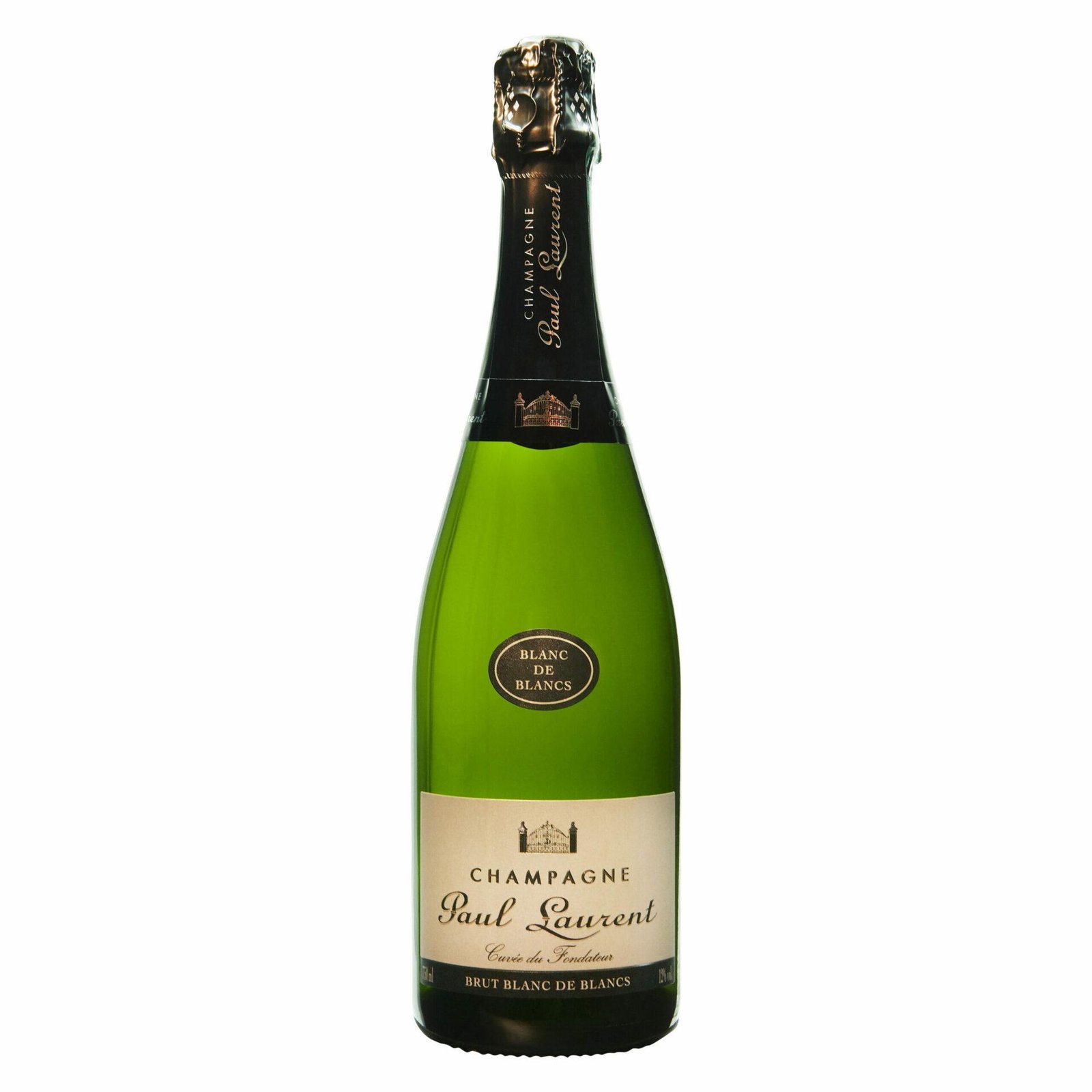
What Is Blanc de Blancs Champagne? A Guide to 100% Chardonnay Champagne
Blanc de Blancs champagne is made only from white grapes, usually Chardonnay. Learn how it tastes, how it is made, what to pair it with and how to serve it.
Chardonnay, Pinot Noir and Pinot Meunier: The Grapes of Champagne
The three champagne grapes explained: what Chardonnay, Pinot Noir and Pinot Meunier bring to a blend, the rare varieties and how to read a cuvée’s blend.
Organic Champagne: What “Bio” Means From Vineyard to Glass
What makes a champagne organic? What certification means in the vineyard and cellar, how it differs from sustainable viticulture and how it tastes.