
Chardonnay, Pinot Noir and Pinot Meunier: The Grapes of Champagne
Champagne is above all a wine of blending, and its raw material is surprisingly simple: three main grape varieties grown in a cool northern climate. Chardonnay, Pinot Noir and Pinot Meunier each bring something different to the glass. Understanding their roles helps you read a champagne label, anticipate the style of a cuvée and choose the right bottle for the moment.
The three main champagne grapes
Pinot Noir, Pinot Meunier and Chardonnay together account for almost all of the vineyard area in the Champagne appellation. Two are black grapes with white juice (Pinot Noir and Pinot Meunier) and one is a white grape (Chardonnay). Their proportions vary from one area to another depending on soils and climate.
Chardonnay: freshness, finesse and longevity
Chardonnay is the only white grape among the three main varieties. In champagne it brings:
- Freshness and tension through its lively acidity
- Citrus, white flower and white fruit aromas when young
- Mineral notes, especially on chalky soils
- Elegance and ageing potential, developing brioche, almond and toast over time
Chardonnay thrives in the Côte des Blancs and the Côte de Sézanne, where Champagne Paul Laurent is based. A champagne made only from Chardonnay is called Blanc de Blancs: discover our Blanc de Blancs guide and our 100% Chardonnay Cuvée Blanc de Blancs.
Pinot Noir: structure, body and red fruit
Pinot Noir is the backbone of many champagne blends. It is particularly associated with the Montagne de Reims and the Côte des Bar. It contributes:
- Body and structure, giving the wine weight on the palate
- Red-fruit aromas such as cherry, strawberry and redcurrant
- Length and depth, especially in mature cuvées
- Colour for rosé, as the still red wine used for blending is typically made from Pinot Noir
Our Cuvée du Fondateur Brut (75% Pinot Noir) and our Cuvée Génération Brut Nature (80% Pinot Noir) show how this grape gives a generous, fruity and mouth-filling style.
Pinot Meunier: fruitiness and suppleness
Often simply called Meunier, this black grape buds later than the other two, which makes it less vulnerable to spring frosts. It is widely planted in the Vallée de la Marne. Meunier brings:
- Ripe, generous fruit: yellow fruit, berries, a touch of spice
- Roundness and suppleness, making champagne approachable when young
- Aromatic expressiveness that complements Chardonnay’s finesse
Long considered a supporting grape, Meunier is increasingly appreciated on its own merits. In our certified organic Cuvée BIO, 60% Pinot Meunier is blended with 40% oak-aged Chardonnay, bringing berry fruit and a creamy texture together.
The rare varieties
Champagne rules also authorise four other grapes, which are planted in very small quantities: Arbane, Petit Meslier, Pinot Blanc and Pinot Gris. A few producers are reviving them for special cuvées. In addition, the appellation has more recently allowed experimental plantings of a disease-resistant variety called Voltis, in limited proportions, as part of research into the effects of climate change.
Why blend grapes at all?
Blending allows the cellar master to combine complementary qualities: Chardonnay’s freshness, Pinot Noir’s structure and Meunier’s fruit. It also makes it possible to compensate for the variations of each harvest and to keep a recognisable house style from year to year. Blending can involve not only different grapes but also different plots and, for non-vintage champagne, reserve wines from earlier years. Learn more in how champagne is made.
How the blend shapes the style: examples from our range
| Cuvée | Blend | Style |
|---|---|---|
| Cuvée Blanc de Blancs | 100% Chardonnay | Elegant, lively, almond and mineral notes |
| Cuvée Prestige Brut | 70% Chardonnay, 30% Pinot Noir | Floral (acacia), bright citrus palate |
| Cuvée L’Essentiel | 50% Chardonnay, 50% Pinot Noir | Warm and rich, vanilla and citrus |
| Cuvée du Fondateur Brut | 75% Pinot Noir, 20% Chardonnay, 5% Pinot Meunier | Classic, fresh, pear and citrus |
| Cuvée Brut Rosé | 70% Pinot Noir, 20% Chardonnay, 10% red wine | Fruity, strawberry and raspberry |
| Cuvée BIO | 60% Pinot Meunier, 40% Chardonnay | Citrus, floral, fruity, creamy |
| Cuvée Génération Brut Nature | 80% Pinot Noir, 20% Chardonnay | Precise, pure, zero dosage |
How to read the blend on a label or product sheet
Champagne labels do not always list the grape varieties, but many producers share the blend on their back label, technical sheet or website. When you see it, look first at the leading grape: a majority of Chardonnay usually signals a fresher, more delicate style, while a majority of Pinot Noir suggests more body and red fruit, and a large share of Meunier promises a fruity, supple wine. Then look at the ageing time. Two champagnes with the same blend can taste very different if one has spent 15 months on its lees and the other several years. Finally, check the dosage term to know how dry the wine will be.
Blanc de Blancs, Blanc de Noirs and rosé
- Blanc de Blancs: made only from white grapes, almost always Chardonnay.
- Blanc de Noirs: a white champagne made only from black grapes, Pinot Noir and/or Meunier.
- Rosé: coloured by black grapes, either by blending in still red wine or by brief skin contact. See rosé champagne explained.
Matching grape styles with food
As a rule of thumb, Chardonnay-led champagnes suit seafood and delicate dishes, Pinot Noir-led champagnes pair with poultry, veal and mushrooms, and Meunier-rich blends are lovely with charcuterie and convivial dishes. Our food pairing guide gives many more ideas.
Frequently asked questions
How can champagne be white if it is made from black grapes?
The juice of Pinot Noir and Pinot Meunier is colourless. The colour is in the skins, so gentle and quick pressing keeps the juice clear.
Which grape makes the best champagne?
None is better in absolute terms. Each brings its own qualities, and great champagnes are made from single varieties as well as from blends.
Taste the difference. Compare a 100% Chardonnay and a Pinot Noir-led blend side by side: discover our seven cuvées.
Conclusion
Chardonnay for freshness and finesse, Pinot Noir for structure and red fruit, Pinot Meunier for roundness and generosity: these three grapes are the building blocks of champagne. Knowing what each brings turns the blend printed on a label into a useful guide to what you will find in your glass. Please drink responsibly.
Related articles
What Is Blanc de Blancs Champagne? A Guide to 100% Chardonnay Champagne
Blanc de Blancs champagne is made only from white grapes, usually Chardonnay. Learn how it tastes, how it is made, what to pair it with and how to serve it.
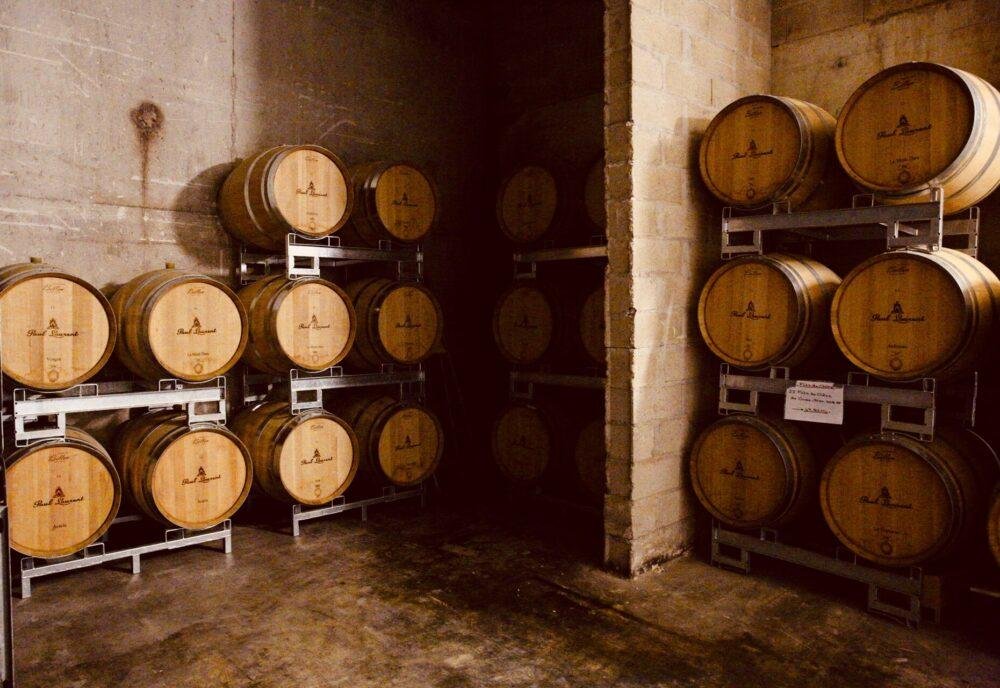
How Champagne Is Made: The Traditional Method Step by Step
From hand harvest to disgorging: each step of the traditional method used to make champagne, including blending, second fermentation, riddling and dosage.
Rosé Champagne Explained: How It Is Made and When to Serve It
How is rosé champagne made, what does it taste like and what should you eat with it? Discover the blending and saignée methods and our tips for serving rosé.