How Champagne Is Made: The Traditional Method Step by Step
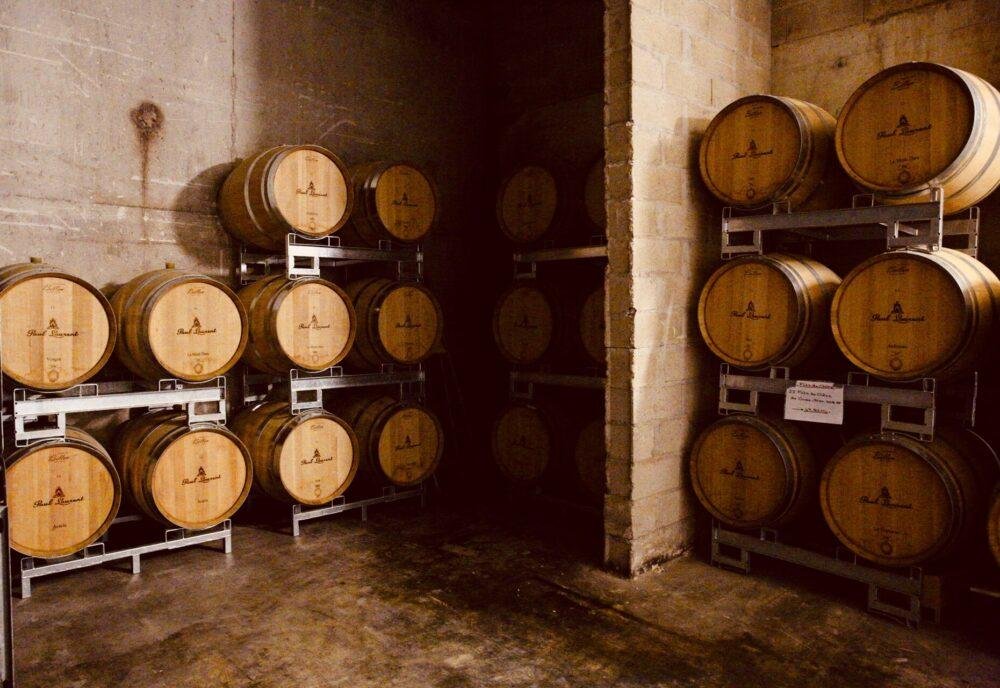
Every bottle of champagne is the result of a long, patient process that combines the work of the vineyard with months, and often years, in the cellar. The technique is known as the traditional method (méthode traditionnelle, historically called méthode champenoise). Its key feature is a second fermentation that takes place inside the bottle itself. Here is how it works, step by step.
1. The vineyard and the grapes
Champagne can only come from the delimited Champagne appellation in north-eastern France. The cool climate, the chalk and marl soils and the long growing season produce grapes with high natural acidity, which is ideal for sparkling wine. The three main grape varieties are Chardonnay, Pinot Noir and Pinot Meunier. You can learn about each of them in our article on the grapes of Champagne.
Throughout the year, the vines are pruned, trained and tended. At Champagne Paul Laurent, the family works with an eco-responsible approach and holds the Viticulture Durable en Champagne (sustainable viticulture) certification, as described on our Our House page.
2. Harvest by hand
In Champagne, grapes must be harvested by hand. Whole bunches arrive intact at the press, which avoids bruising and limits contact between the juice and the skins. This is especially important for the black grapes, whose colourless juice must stay clear for a white champagne.
3. Gentle pressing
The grapes are pressed quickly and gently, close to the vineyard. The juice is divided into fractions: the first and finest juice, the cuvée, is prized for its purity and finesse, while the later fraction, the taille, is fruitier. Pressing yields are strictly limited by the appellation rules.
4. The first fermentation
The juice is left to settle, then ferments in stainless steel tanks or oak barrels. This first fermentation turns the sugar into alcohol and produces a still, dry and quite acidic base wine. Many wines then go through malolactic conversion, which softens their acidity, although some houses block it for extra freshness. Oak can add texture and complexity: for our Cuvée BIO, the Chardonnay is aged in oak before being blended with Pinot Meunier.
5. Blending (assemblage)
Blending is the signature of each house. The cellar master tastes dozens of base wines from different plots, grape varieties and sometimes different years, and combines them to create a balanced wine that matches the house style. Non-vintage champagnes often include reserve wines from previous harvests to ensure consistency from year to year. A vintage champagne, by contrast, comes from a single harvest. See non-vintage vs vintage champagne for more.
For a rosé, a small proportion of still red wine can be blended in. Our Cuvée Brut Rosé, for example, contains 10% red wine alongside Pinot Noir and Chardonnay. Our rosé guide explains this in detail.
6. Bottling and the second fermentation (prise de mousse)
The blended wine is bottled with the liqueur de tirage, a mixture of wine, sugar and yeast, and sealed with a crown cap. In the cool cellar, the yeast slowly ferments the sugar. The carbon dioxide produced cannot escape, so it dissolves into the wine: this is how champagne gets its bubbles. The pressure inside the bottle reaches about six atmospheres.
7. Ageing on the lees
When fermentation is finished, the dead yeast cells, called lees, fall to the side of the bottle. Over time they release compounds that give champagne its creamy texture and aromas of brioche, toast and almond. The rules require a minimum of 15 months of ageing for non-vintage champagne, at least 12 of them on the lees, and three years for vintage champagne. Many cuvées age much longer: our Cuvée Génération Brut Nature spends a minimum of seven years on its lees.
8. Riddling (remuage)
Before the wine can be released, the sediment must be removed. During riddling, the bottles are gradually tilted and rotated until they stand neck-down and all the lees have collected in the neck. Traditionally this was done by hand on wooden racks called pupitres; today it is often done with machines called gyropalettes.
9. Disgorging (dégorgement)
The neck of the bottle is plunged into a freezing solution, which traps the sediment in a small plug of ice. When the crown cap is removed, the pressure pushes the ice plug out, leaving the wine clear.
10. Dosage, corking and resting
A little liqueur de dosage, wine with or without sugar, is added to top up the bottle. Its sugar content determines the style shown on the label: Brut Nature, Extra Brut, Brut, Demi-Sec and so on. Read our guide to champagne sweetness levels to understand these terms. The bottle then receives its cork, its wire cage (the muselet) and a few more weeks or months of rest before it leaves the cellar.
Traditional method vs other sparkling wine methods
Other techniques exist. In the tank method, used for Prosecco, the second fermentation takes place in large pressurised tanks, which preserves fresh, fruity aromas but gives less complexity from the lees. Simple carbonation adds gas directly to a still wine. The traditional method is slower and more costly, but it gives the finest bubbles and the greatest aromatic depth, which is why it is mandatory for champagne.
Frequently asked questions
How long does it take to make champagne?
At least 15 months from bottling to release for non-vintage champagne, and three years for vintage. Including the growing season and blending, many champagnes take two to four years, or more, from vine to table.
What is the difference between “méthode champenoise” and “méthode traditionnelle”?
They describe the same technique. The term “méthode champenoise” is reserved for wines from Champagne, so sparkling wines made elsewhere with this method use “méthode traditionnelle” or “traditional method”.
Taste the result. Each of our seven cuvées follows this patient process in Bethon. Discover our champagnes and the story of our family house.
Conclusion
From a hand-picked bunch of grapes to a glass full of fine bubbles, champagne is shaped by careful pressing, the art of blending, a second fermentation in the bottle and long, quiet ageing on the lees. Understanding these steps makes every glass more interesting and explains why time is the most precious ingredient in champagne. Please drink responsibly.
Related articles
Chardonnay, Pinot Noir and Pinot Meunier: The Grapes of Champagne
The three champagne grapes explained: what Chardonnay, Pinot Noir and Pinot Meunier bring to a blend, the rare varieties and how to read a cuvée’s blend.
Non-Vintage vs Vintage Champagne: What Is the Difference?
What does non-vintage (NV) mean on a champagne label and how is vintage champagne different? Ageing rules, reserve wines, style and when to drink each.
Brut, Extra Brut or Brut Nature? Champagne Sweetness Levels Explained
What do Brut Nature, Extra Brut, Brut, Demi-Sec and Doux mean? A clear guide to champagne dosage, sugar levels per litre and how each style tastes.