
Rosé Champagne Explained: How It Is Made and When to Serve It
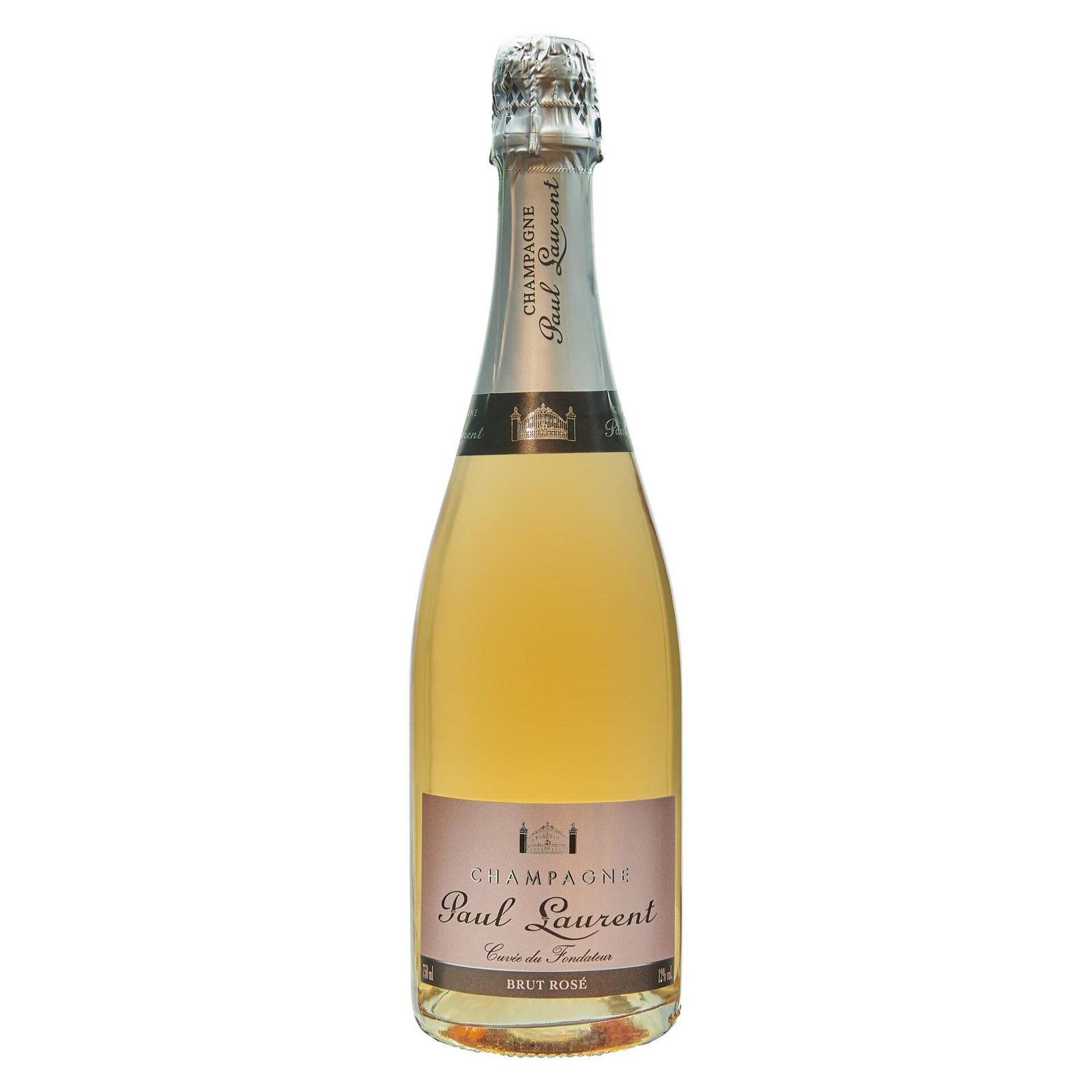
With its delicate salmon to pale pink colour and its aromas of red berries, rosé champagne has a charm of its own. It is festive and romantic, yet also a serious gastronomic wine that can accompany an entire meal. But how does champagne become pink, and what makes a rosé different from a white champagne? Here is everything you need to know.
What is rosé champagne?
Rosé champagne is a sparkling wine from the Champagne appellation whose colour comes from the skins of black grapes, Pinot Noir and Pinot Meunier. It is made with the same traditional method as white champagne, including the second fermentation in the bottle and the ageing on the lees. Only the way the colour is obtained differs.
How is rosé champagne made?
There are two main methods.
The blending method (rosé d’assemblage)
This is the most common approach. A small proportion of still red wine, made in Champagne from black grapes, is added to the white base wine before the second fermentation. In Champagne, unlike in most still-wine appellations, rosé may be produced by blending red and white wine. The method gives the cellar master precise control over colour and style from one year to the next.
Our Cuvée Brut Rosé is made this way: 70% Pinot Noir, 20% Chardonnay and 10% red wine. It is first aged in stainless steel tanks, then rests for a minimum of 15 months on its lees, with 18 to 24 months of ageing on average.
The saignée or maceration method
Here, black grapes are left in contact with their skins for a short time, from a few hours to a couple of days, until the juice takes on the desired colour. The juice is then drawn off and fermented. Saignée rosés tend to be deeper in colour, more vinous and more structured. The method is less common because the colour and intensity are more difficult to control.
Which method is better?
Neither method is better in itself. Blended rosés are often more delicate, consistent and elegant, while saignée rosés are bolder and more wine-like. What matters is the balance between fruit, freshness and structure, and the style that suits your table.
What does rosé champagne taste like?
Rosé champagnes generally show more red-fruit character and a little more body than white champagnes. Typical aromas include:
- Strawberry, raspberry, redcurrant and wild berries
- Cherry and blood orange in fuller styles
- Rose petals and other floral notes
- Brioche and spice when the wine has aged longer on its lees
The proportion of Chardonnay in the blend brings lightness and freshness. In our Brut Rosé, the flavours of strawberry, raspberry and wild currant are balanced by the delicate touch of Chardonnay, giving a cuvée that is fruity, bright and elegant.
Is rosé champagne sweet?
Not necessarily. Colour and sweetness are independent. Most rosé champagnes are Brut, which means they are dry. The fruitiness of a rosé can give an impression of roundness, but the actual sugar level is shown by the dosage term on the label. See champagne sweetness levels explained to decode Brut, Extra Brut and Demi-Sec.
How to serve rosé champagne
- Temperature: 8 to 10 °C, slightly less cold than a light Blanc de Blancs, so the fruit can express itself.
- Glass: a tulip glass or a white-wine glass shows off both the colour and the aromas.
- Timing: rosé is lovely as an aperitif, but it truly shines at the table.
Our guide on how to serve champagne gives more advice on chilling and pouring.
Food pairings for rosé champagne
Thanks to its structure and red-fruit aromas, rosé champagne can go further than white champagne with food.
Starters and fish
Salmon tartare, smoked salmon, seared tuna, prawns with a light spice, beetroot carpaccio and charcuterie all work beautifully.
Main courses
Rosé is excellent with duck breast, roast lamb, veal, pork tenderloin with red fruits and dishes with a gentle sweet-and-savoury touch. Fuller rosés can even replace a light red wine.
Desserts
Choose desserts that are not too sweet and are built around red fruit: strawberry tart, raspberry pavlova, red-berry salad or a light fruit gratin. For very sweet desserts, a Demi-Sec is a better option.
For more ideas, read our complete champagne food pairing guide.
When to choose rosé champagne
- Celebrations and weddings: its colour adds a festive touch to a toast.
- Summer evenings: served well chilled with grilled fish or a fruit dessert.
- Romantic dinners: rosé is a classic for anniversaries and Valentine’s Day.
- Gastronomic menus: it bridges the gap between white wine and red wine dishes.
Our Brut Rosé is available in 75 cl and in 1.5 L magnum, a format that is particularly impressive for large gatherings. Find out more about formats in champagne bottle sizes explained.
How long does rosé champagne keep?
Most non-vintage rosé champagnes are made to be enjoyed within a few years of purchase, while their fruit is fresh and vibrant. Store them lying down, in a cool, dark place, away from light, which can affect the colour and aromas. Our guide on how to store champagne explains the ideal conditions.
Frequently asked questions
Why is rosé champagne often more expensive?
Producing rosé requires additional work: making a separate still red wine for blending, or carefully managing maceration. Yields of suitable red wine are limited, which often makes rosé more costly to produce.
Can rosé champagne be made from Chardonnay?
Chardonnay is a white grape, so it cannot give colour. It is, however, frequently part of the blend to bring freshness and finesse, as in our Brut Rosé.
Is rosé champagne a different appellation?
No. It is still champagne, produced under the same appellation rules. “Rosé” simply describes the style.
Discover our Cuvée Brut Rosé. Fruity, delicate and fresh, available in 75 cl and 1.5 L. See the cuvée or contact us to order.
Conclusion
Rosé champagne owes its colour to black grapes, most often through the careful blending of a little red wine, and its charm to a combination of red-fruit aromas, freshness and fine bubbles. Dry, versatile and festive, it deserves a place not only at the toast but throughout the meal. Please drink responsibly.
Related articles
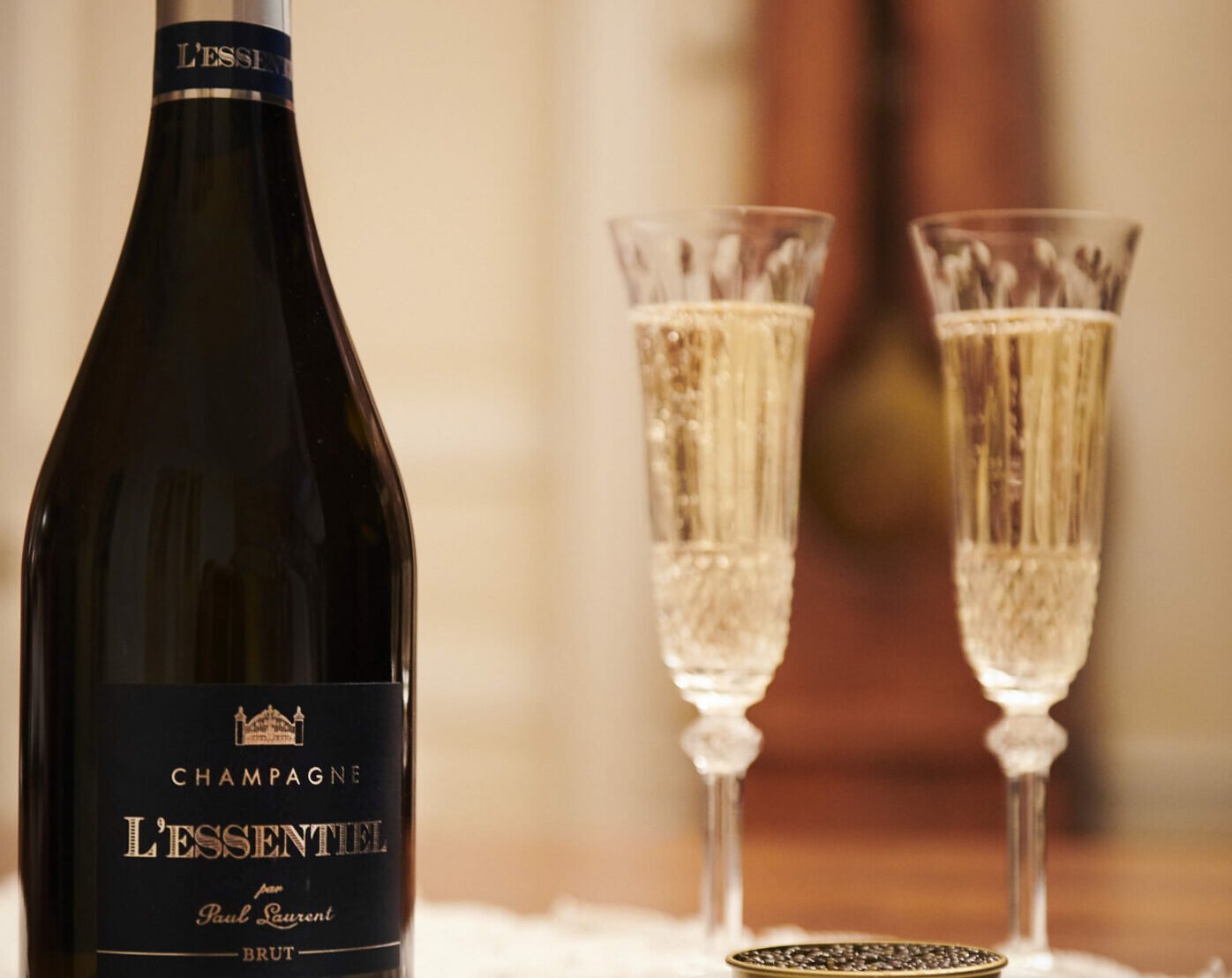
Champagne Food Pairing: Which Cuvée Goes With Which Dish?
Which food goes with champagne? Pairing ideas for Brut, Blanc de Blancs, rosé, Brut Nature and aged champagnes, from aperitif and seafood to cheese and dessert.
Chardonnay, Pinot Noir and Pinot Meunier: The Grapes of Champagne
The three champagne grapes explained: what Chardonnay, Pinot Noir and Pinot Meunier bring to a blend, the rare varieties and how to read a cuvée’s blend.
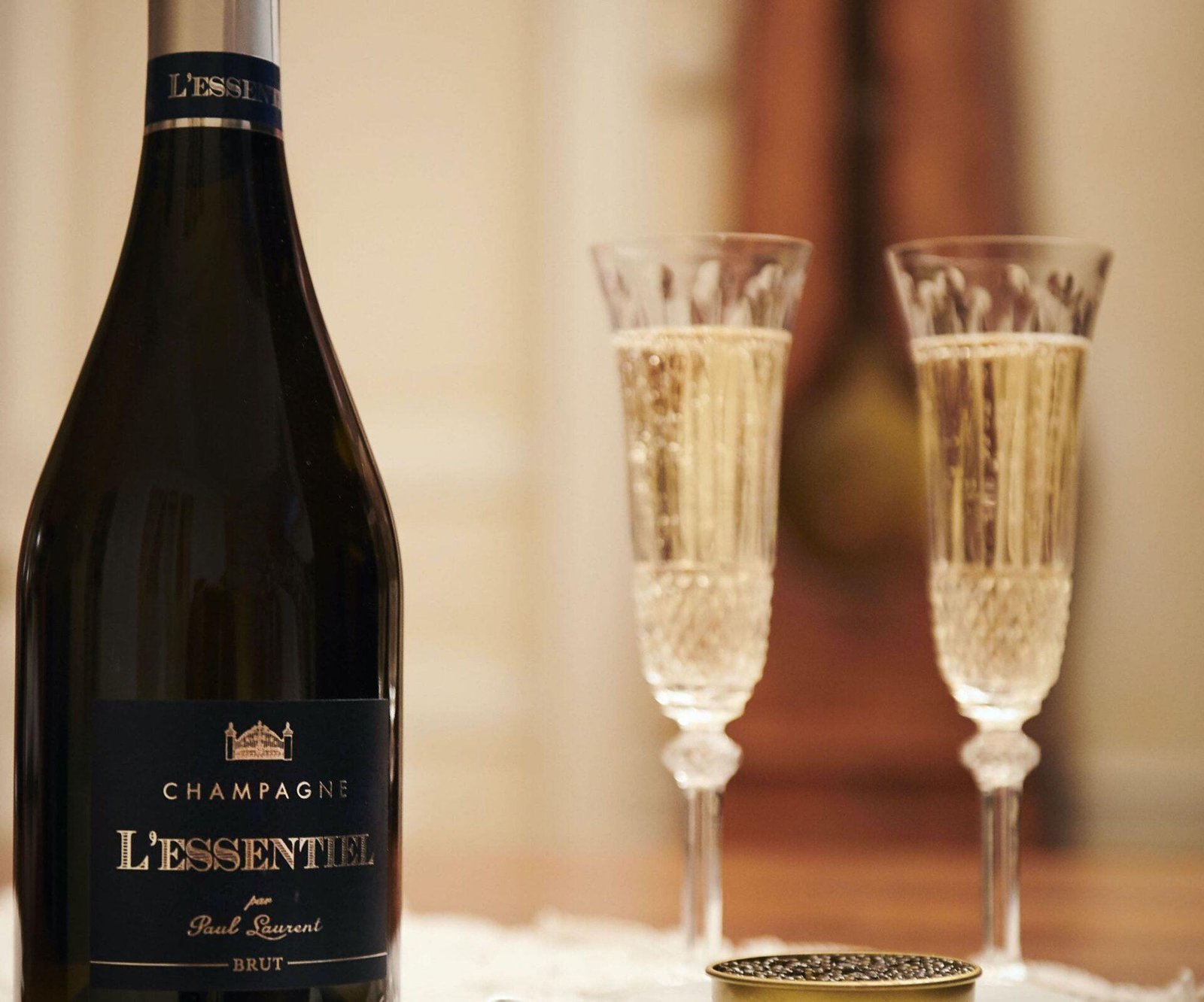
How to Serve Champagne: Temperature, Glasses and Pouring Tips
The ideal champagne serving temperature, how long to chill a bottle, which glass to use and how to pour without losing the bubbles. A practical guide.